BLUMENPAVILLON
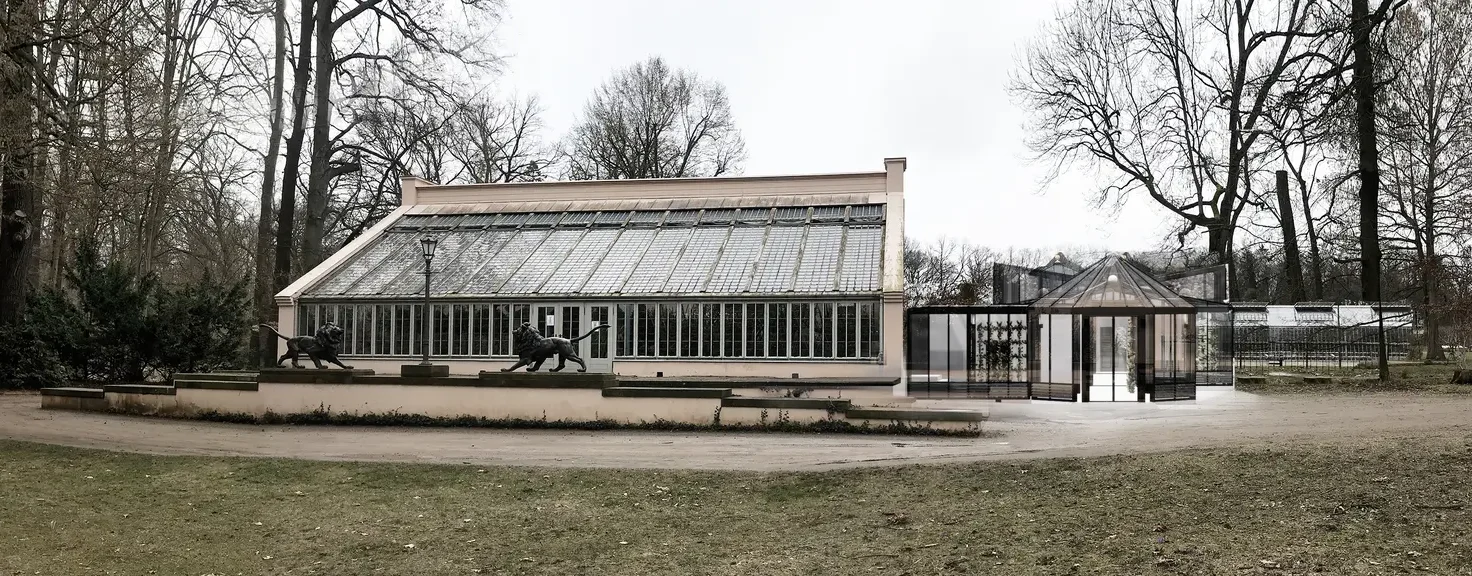
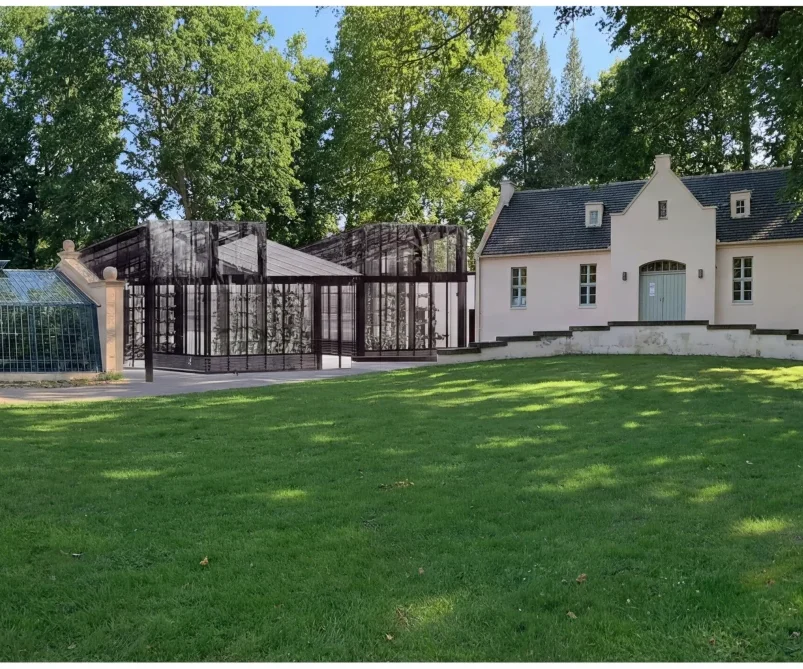
The BLUM project is the contemporary reinterpretation of the flower pavilion within the comprehensive revitalisation of the listed ensemble of the Fürst-Pückler-Museum, Park and Palace Branitz.
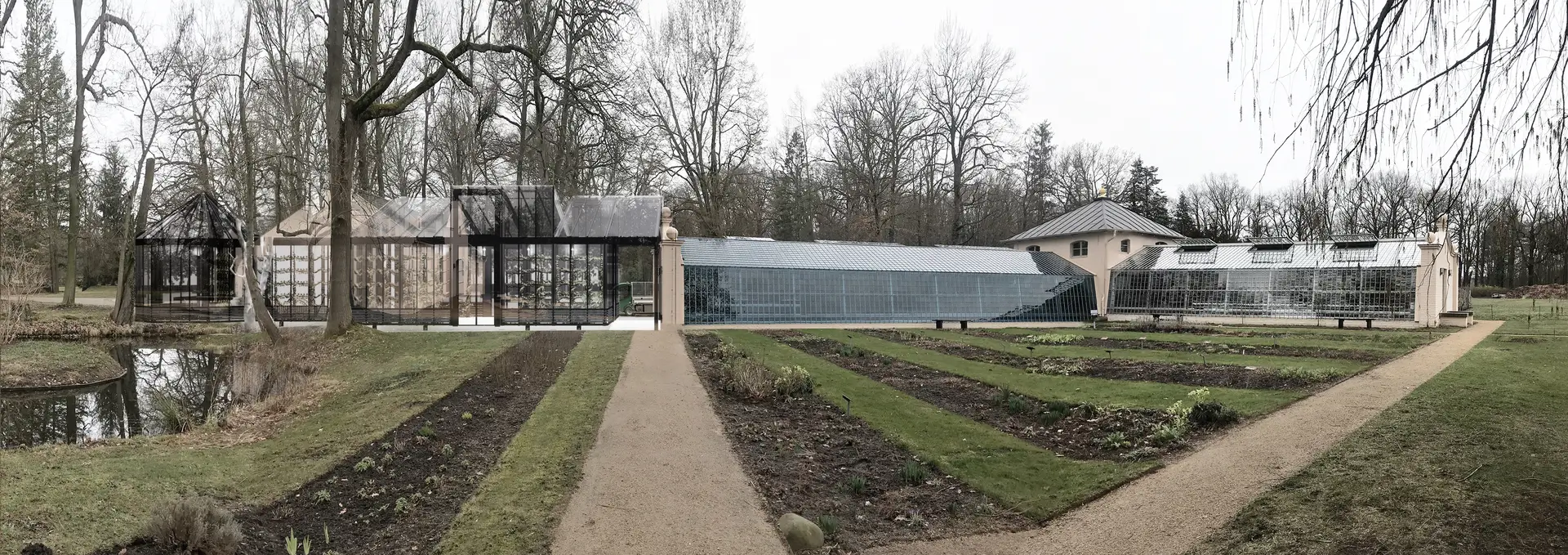
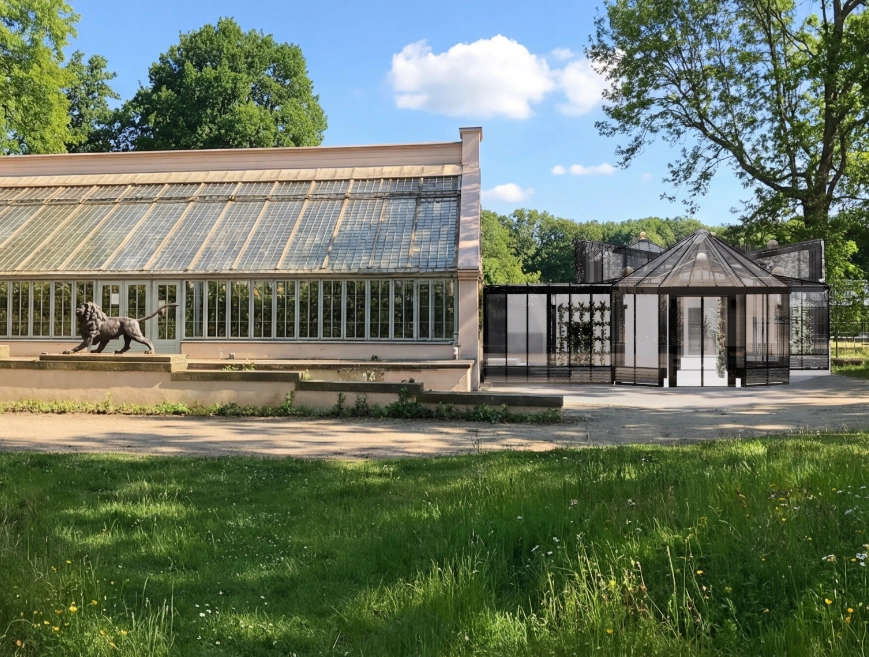
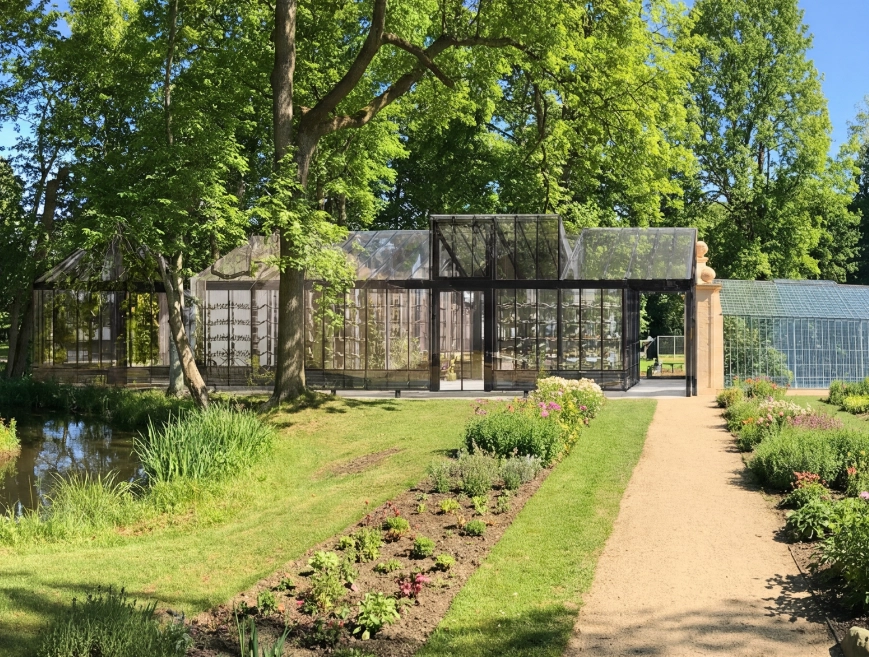
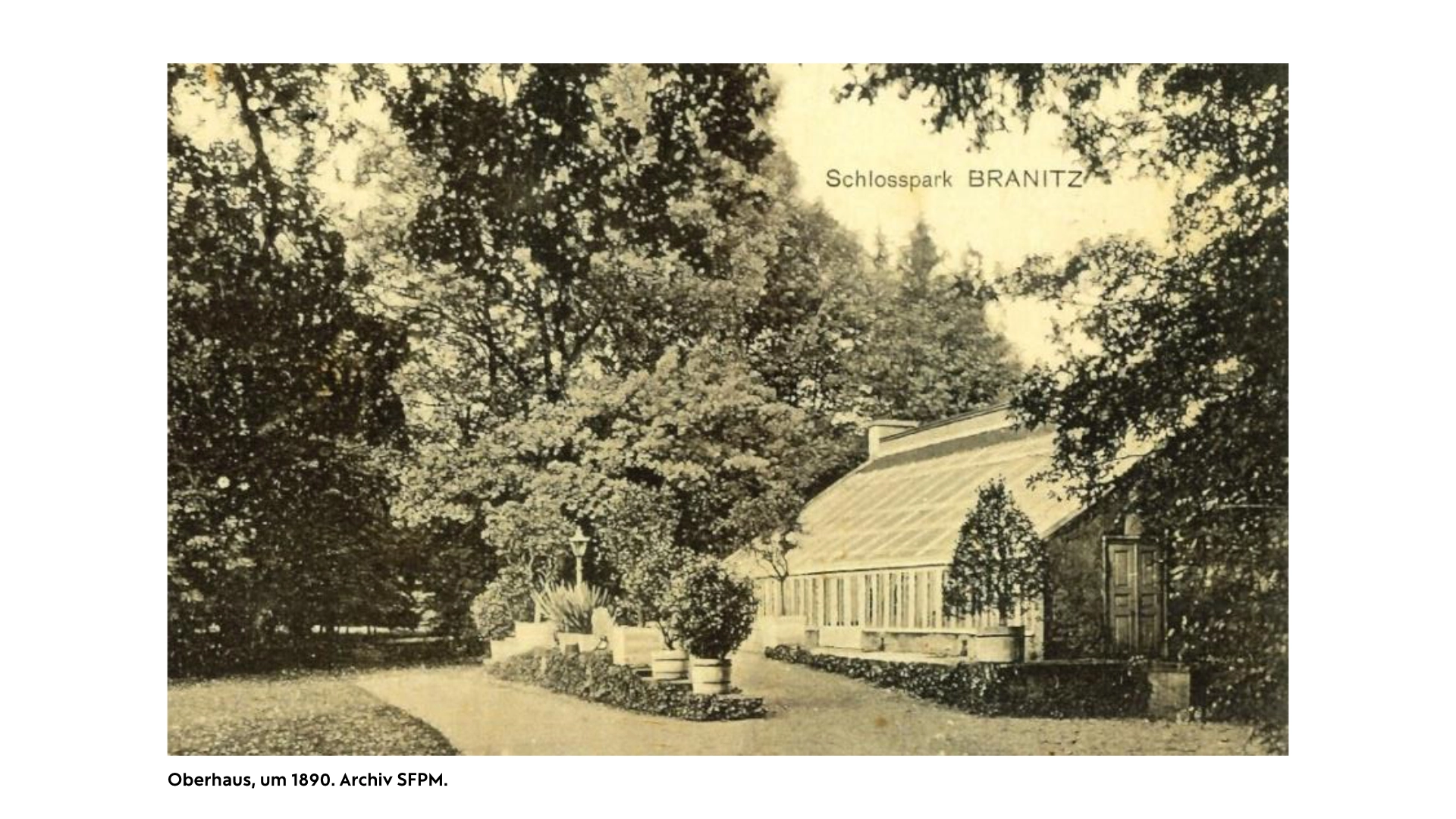
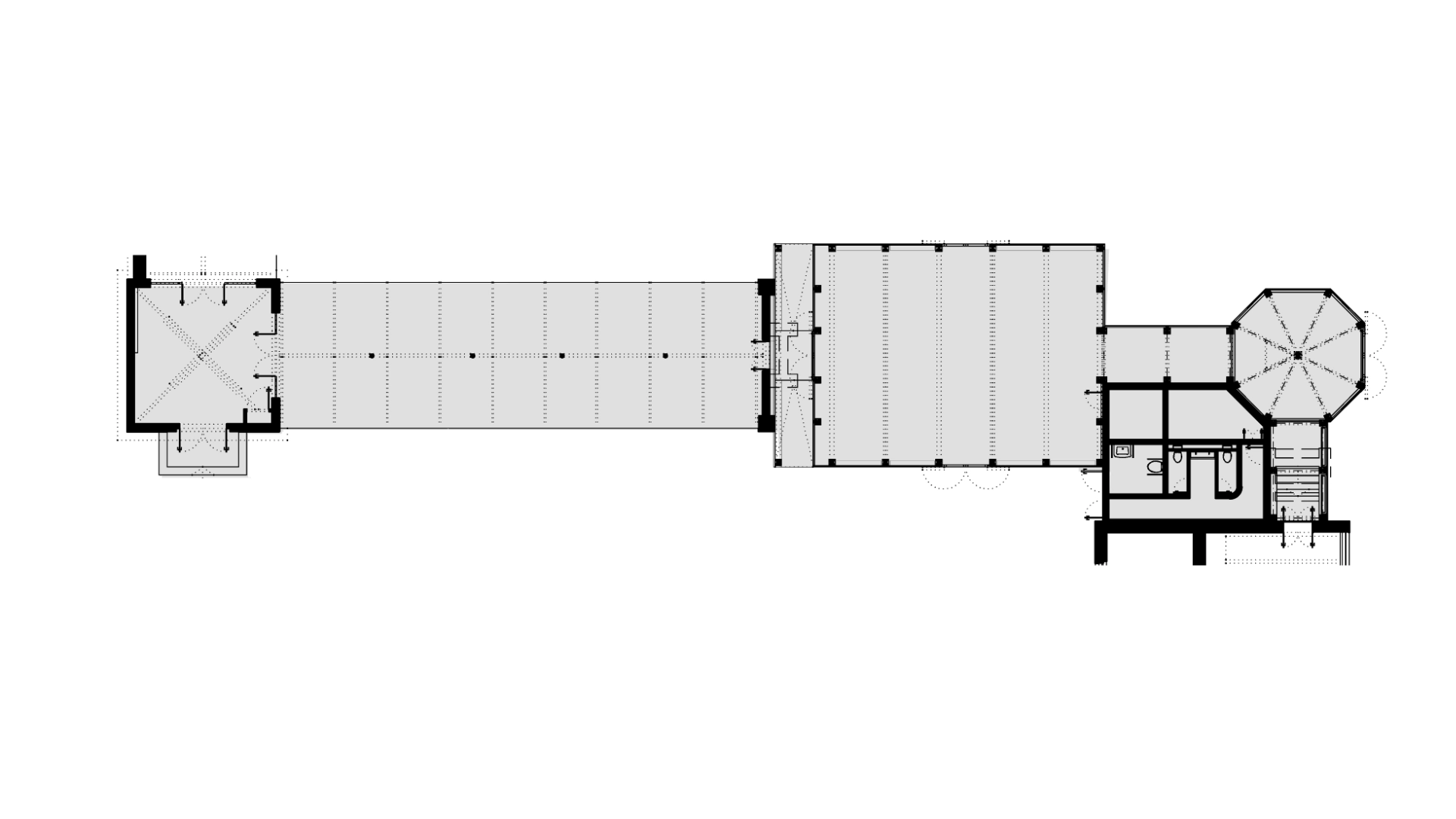
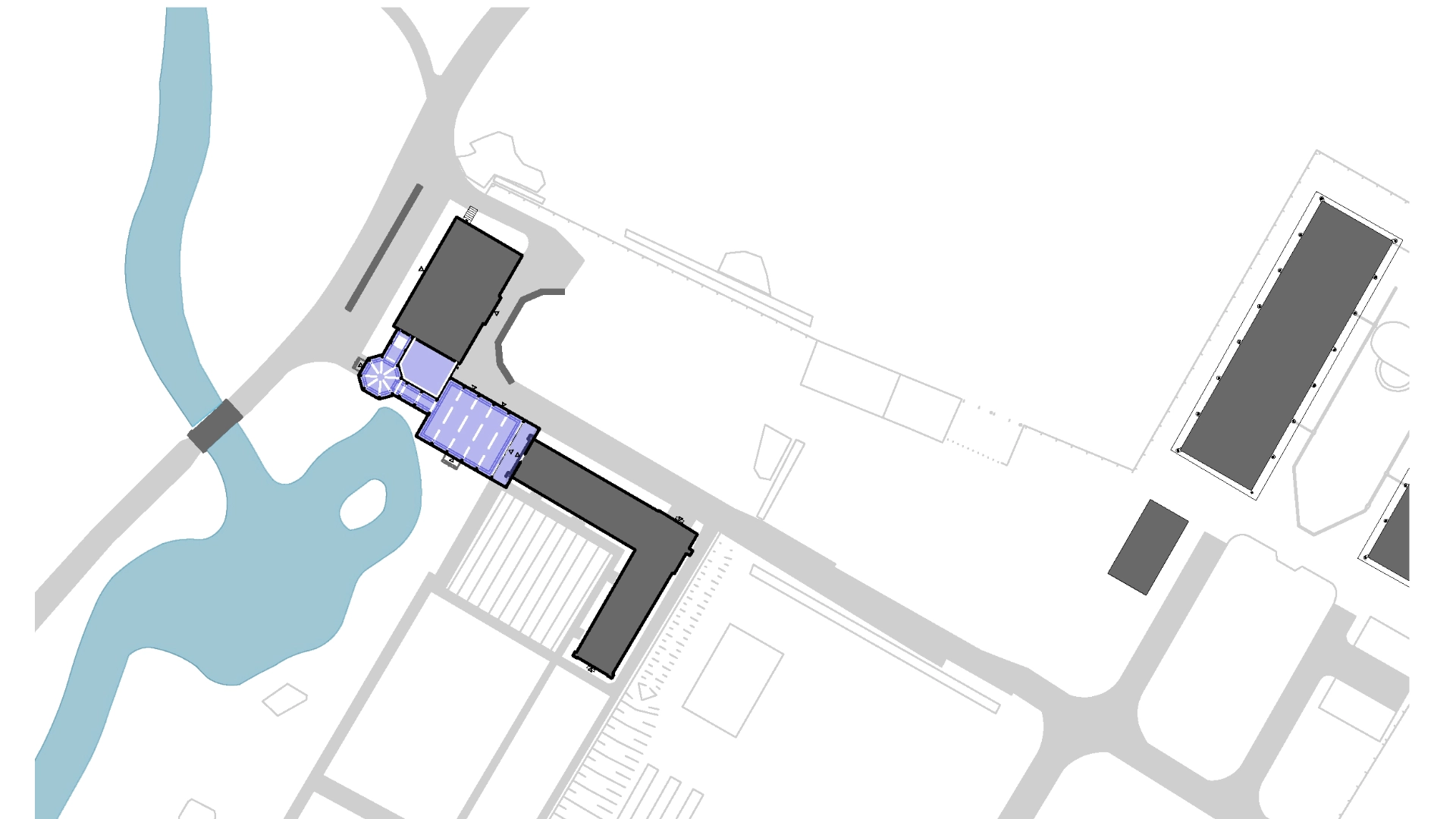
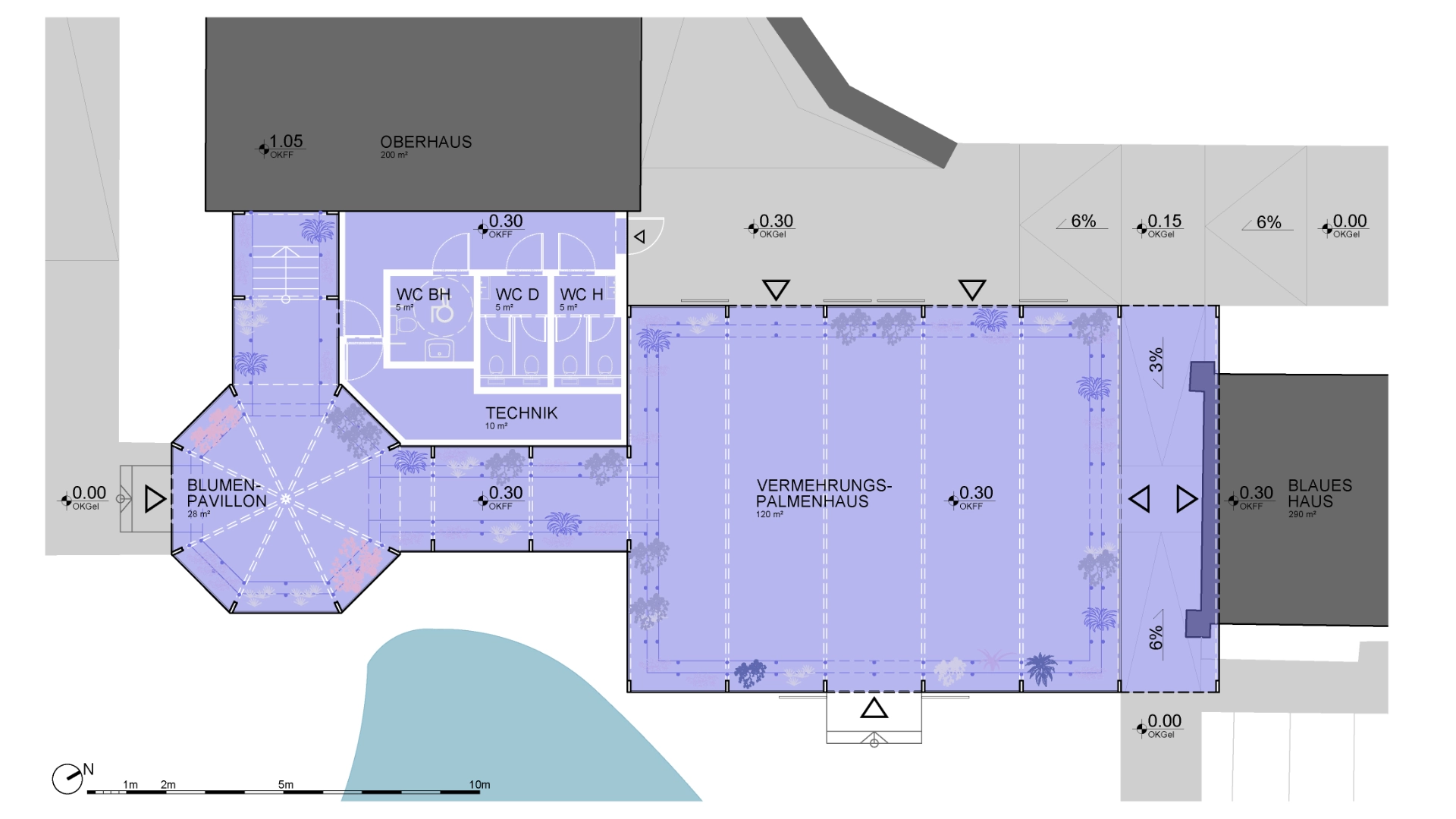
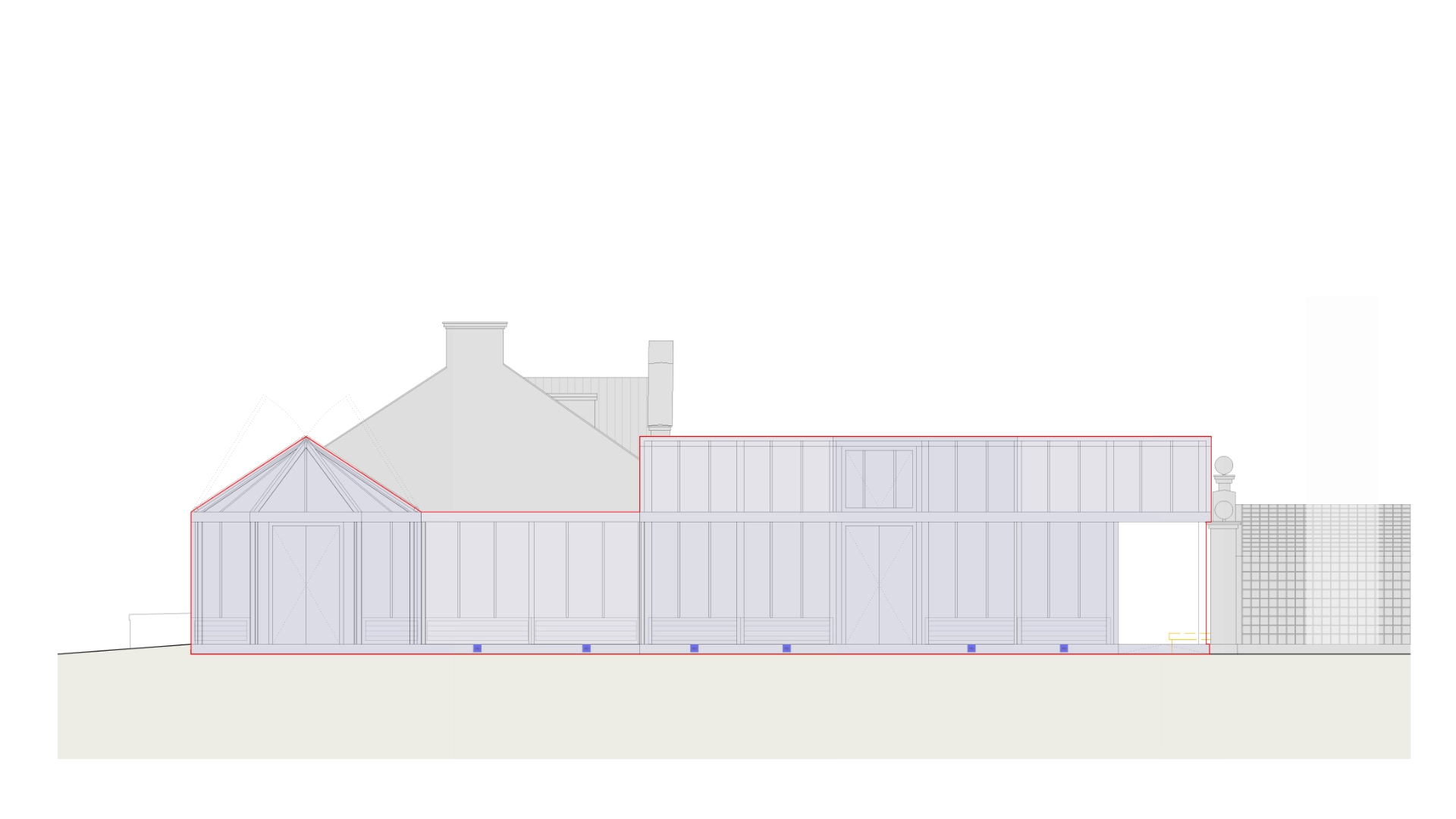
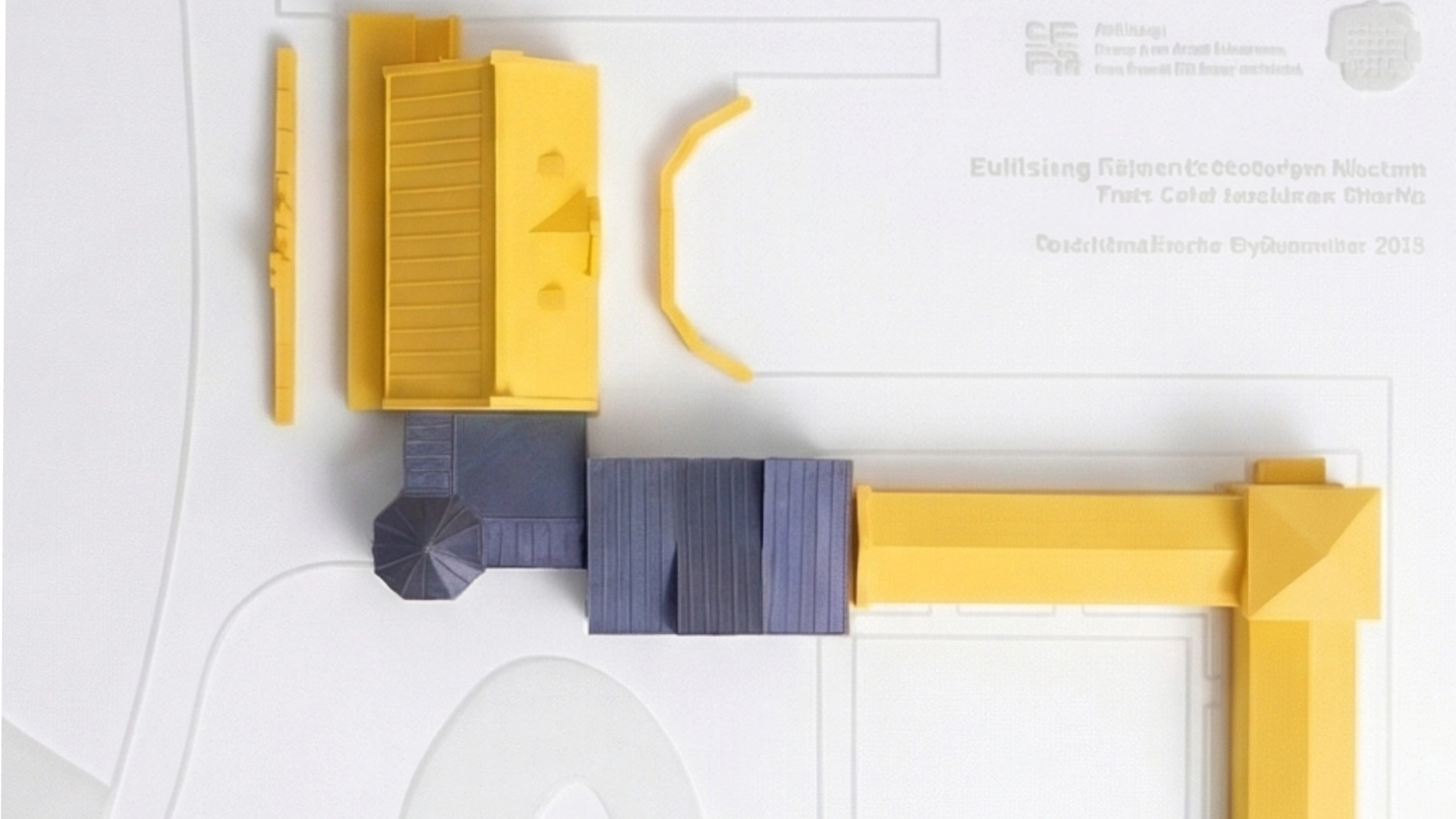
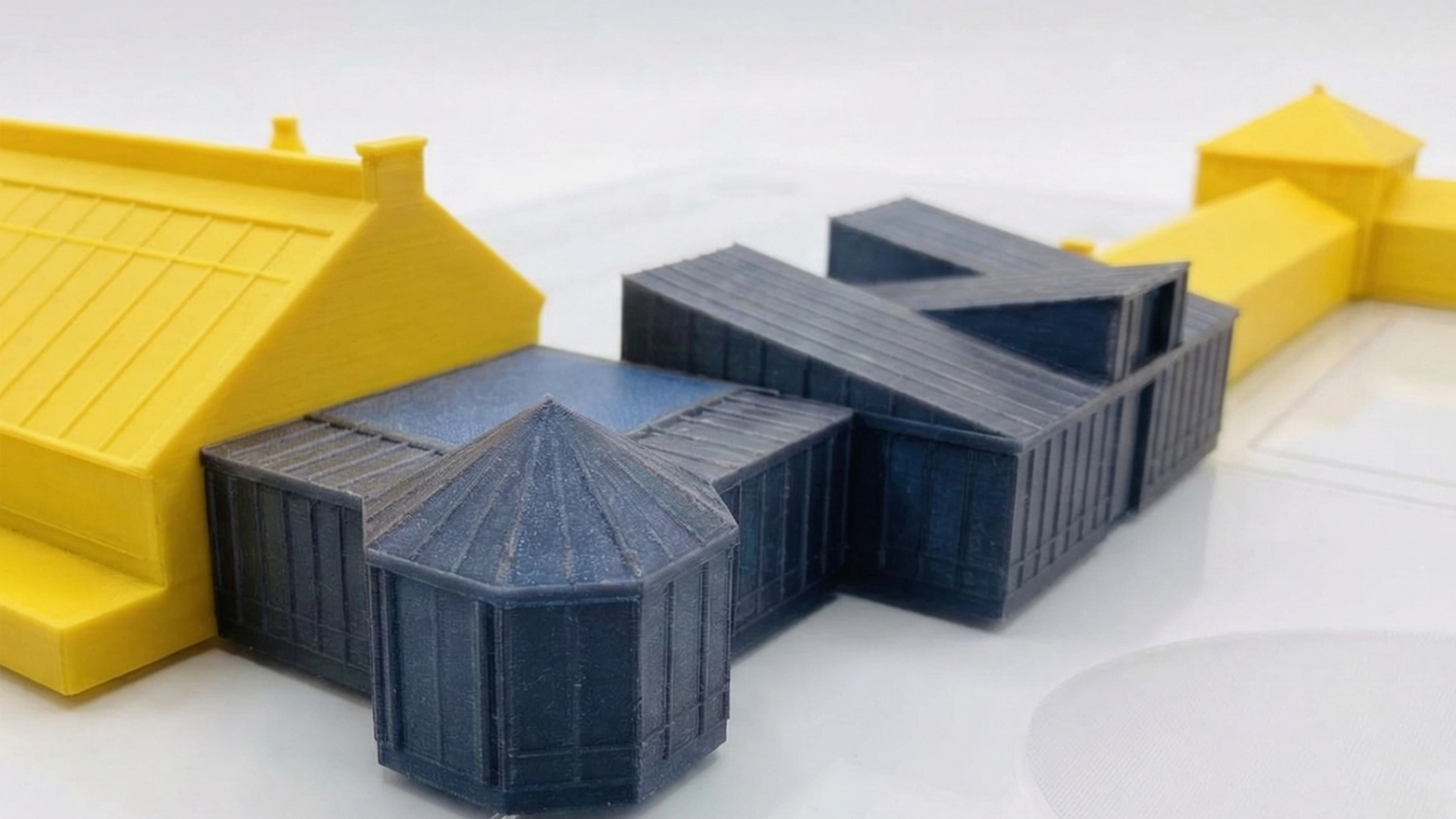
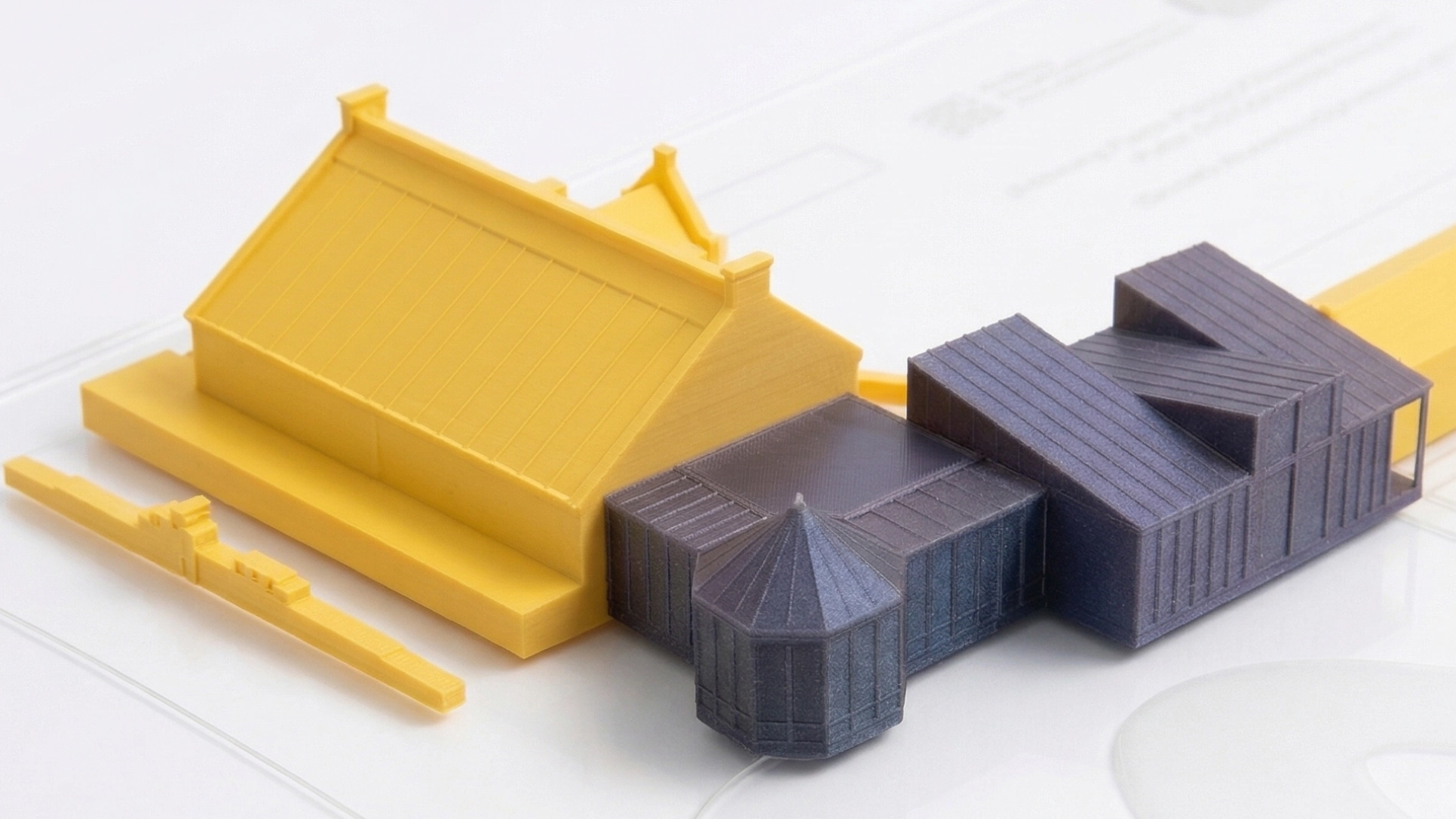
Volume, construction and materiality stand in close dialogue with the historic fabric of the former Schlossgärtnerei. The design builds on the two existing buildings, the Oberhaus as a cafe and the reconstructed Blue House as a greenhouse, and complements them with three new volumes: the flower pavilion, the Vermehrungshaus and the connecting corridors.
The main use is as a plant house all year round; during the summer months the flower pavilion and the Vermehrungshaus can additionally be used for exhibitions and events with up to 50 people.
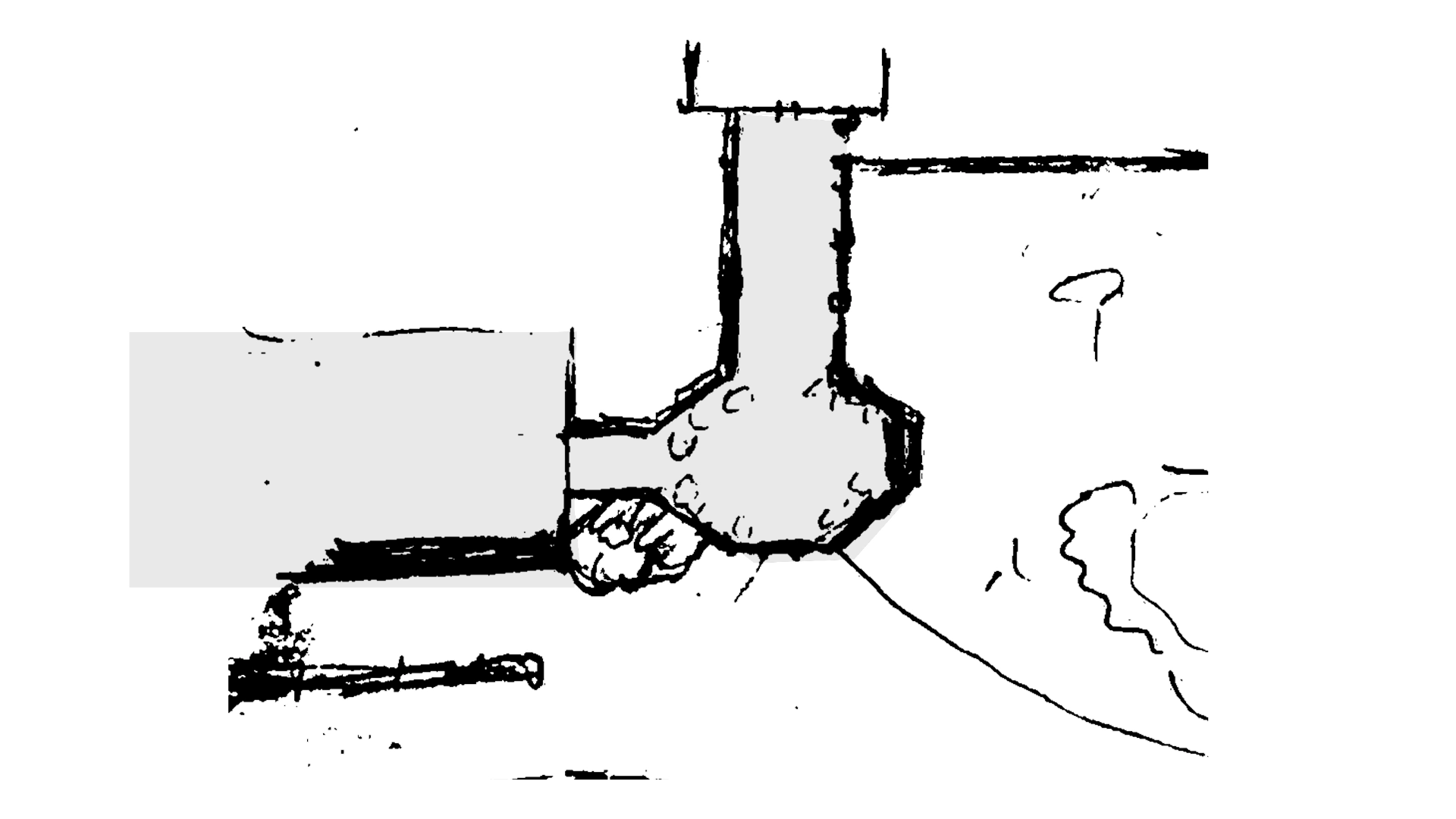
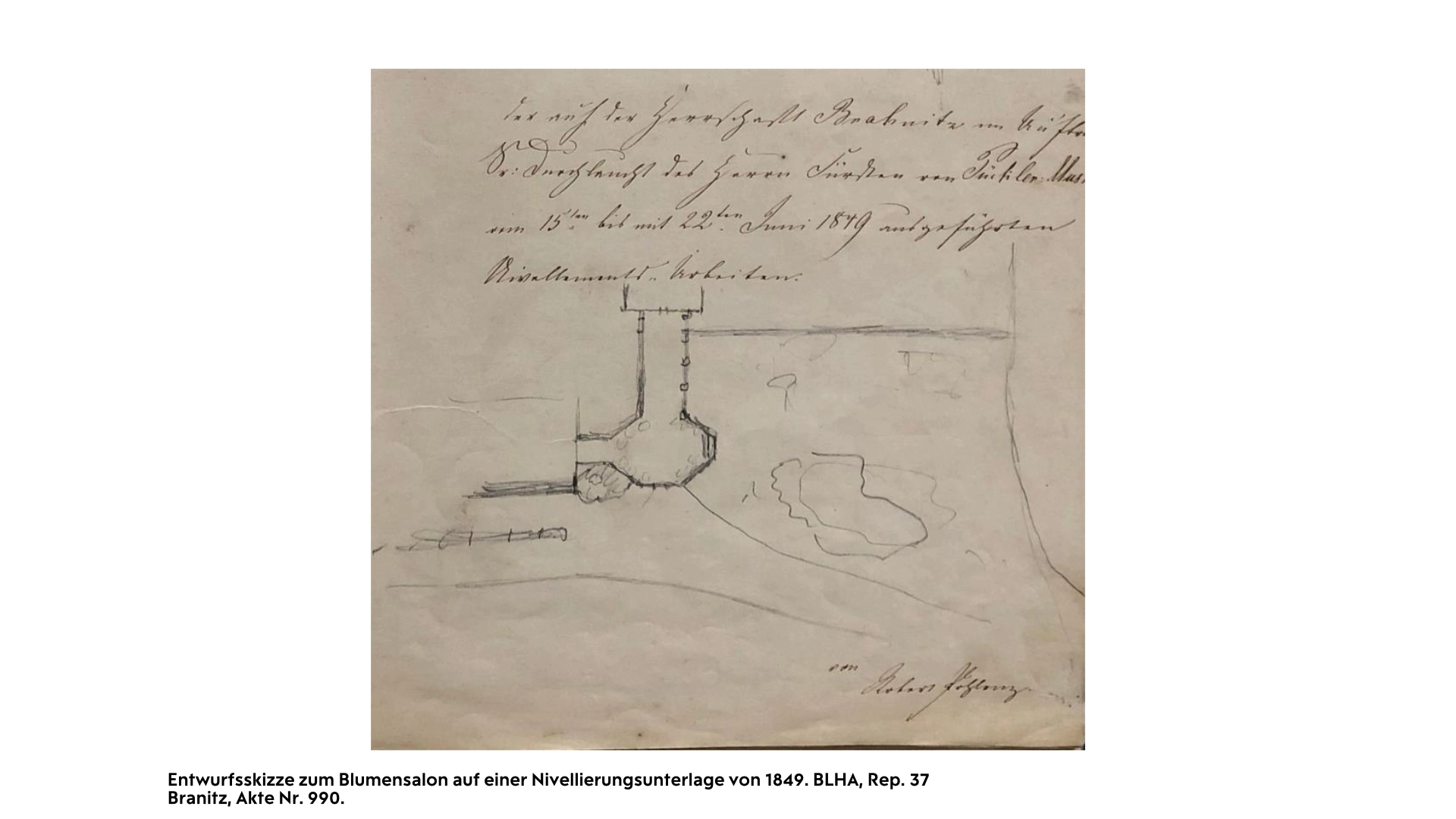
The architectural concept is based on the sketches of Prince Pückler. The historic foundations were subsequently found exactly where the project had been placed.
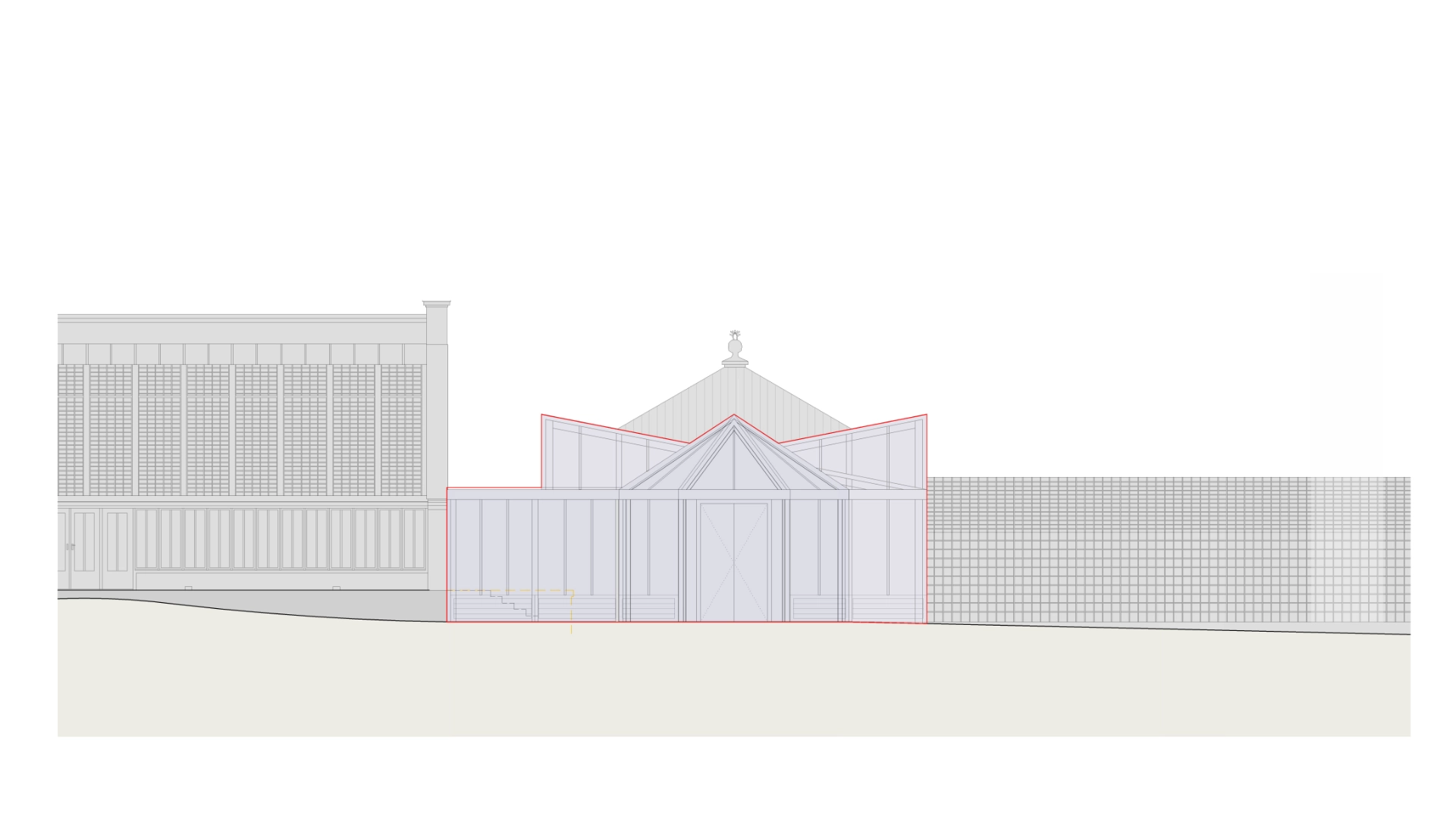
All volumes are brought together into a harmonious ensemble by a shared eaves line. The connecting structures create short routes between the areas of use and form a covered forecourt as an entrance and gathering area, linking the cafe garden with the perennial bowl. All buildings are connected at ground level and barrier-free.
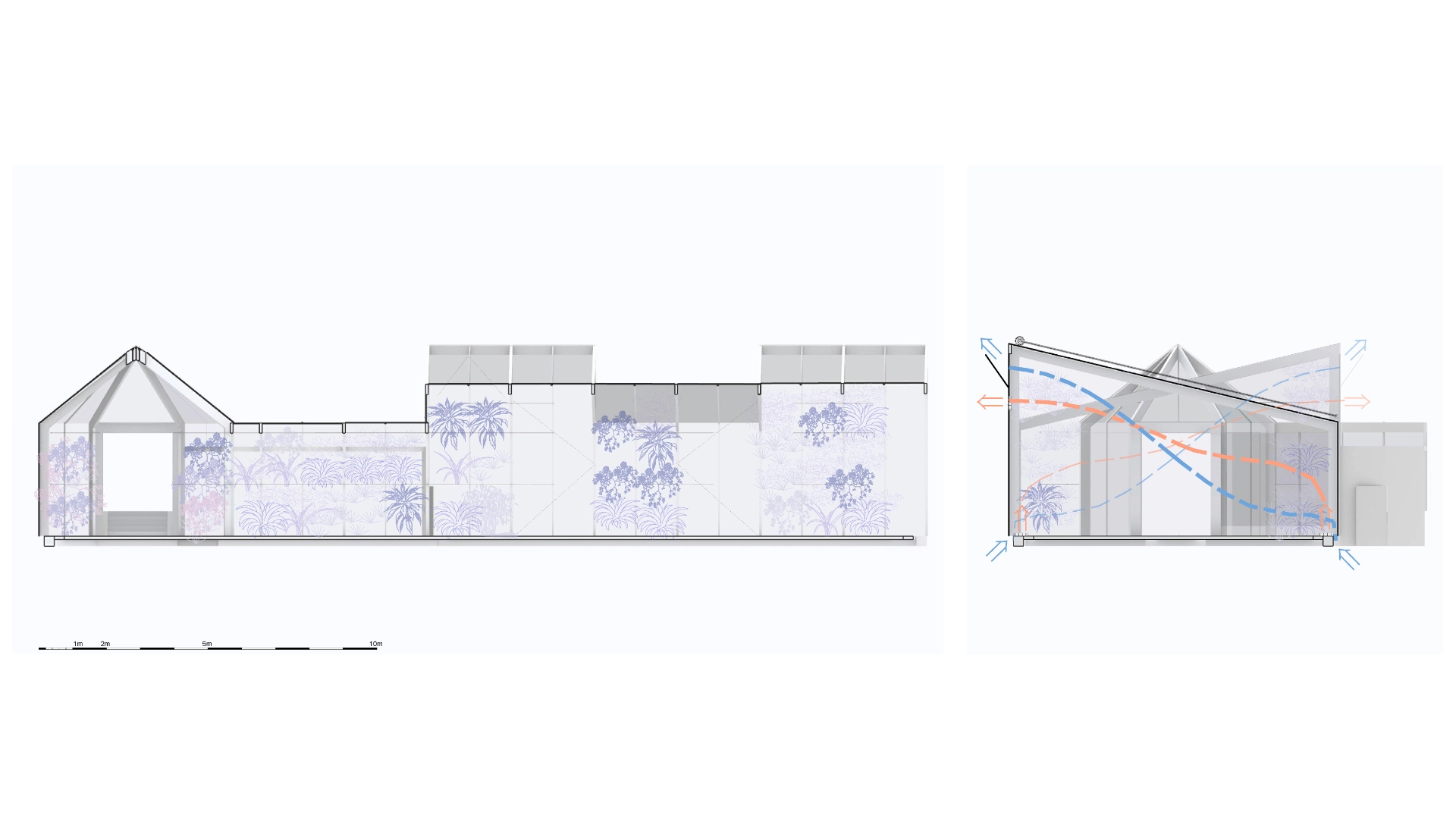
The planting in the interior adopts the arrangement of the plants of the Oberhaus and thus reflects the historic idea: vines on the facades improve the microclimate and provide natural shading during the summer months.
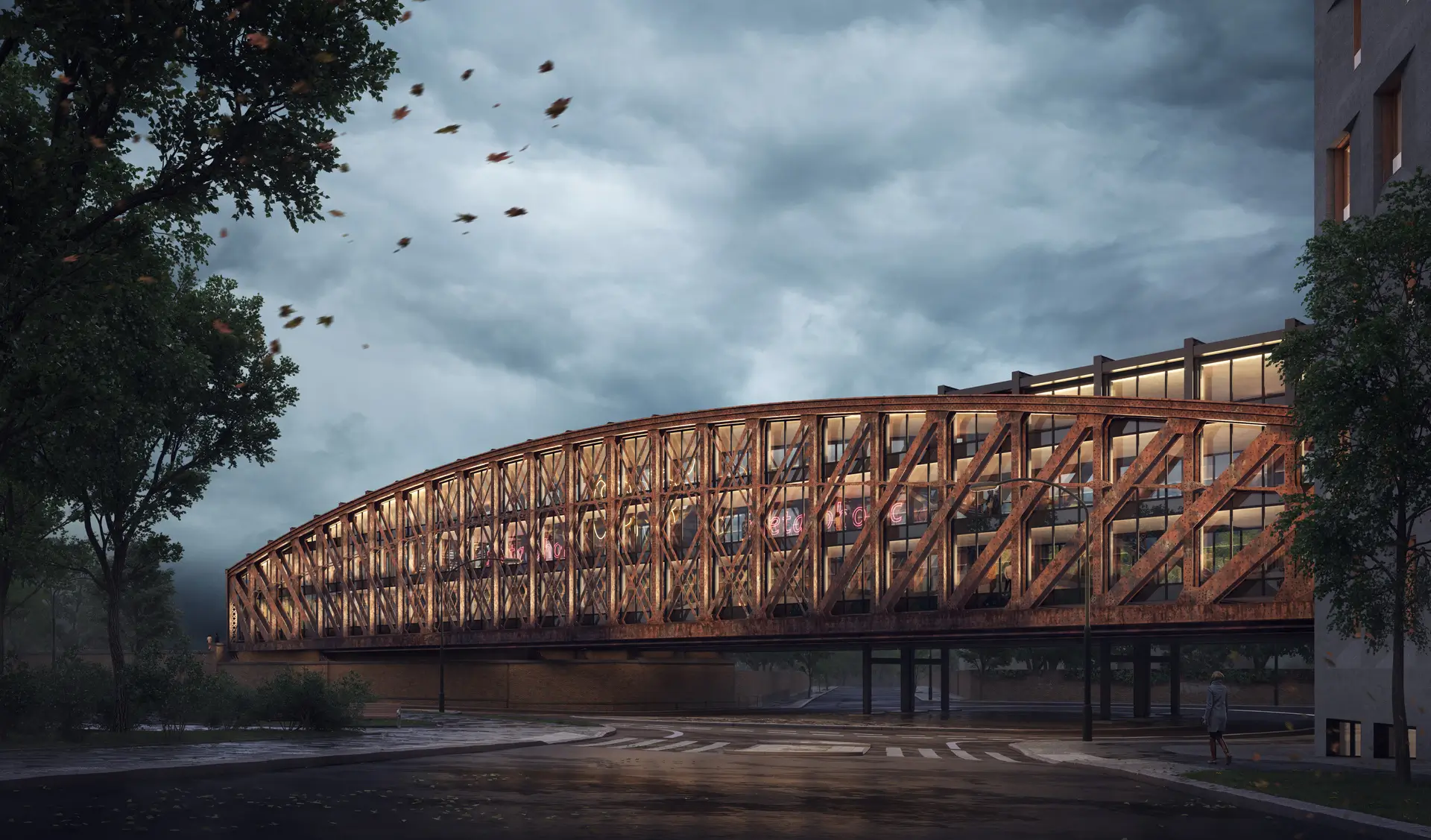
The materiality is defined by slender steel frame structures and large glass facades. The building services include automatically controlled windows and ventilation flaps, a base temperature of 5–10 °C in winter with snow heating, dimmable lighting as well as data, drinking water and service water connections in all areas.
The treatment of the listed complex is central: the historic foundations are fully preserved and built over; structural interventions are limited to minor adjustments to steps and minimal modelling of the terrain.
The foundation is realised with base slabs and local soil replacement due to the difficult ground conditions in the area of the Blumensee.
Sustainability plays an important role at every level of the planning, achieved through a simple construction that economises on materials, the use of low-carbon concrete, energy-efficient winter operation and minimal changes to the outdoor areas.
The project combines heritage conservation, contemporary architecture, horticulture and sustainability into a sensitive overall concept that interprets the historic Schlossgärtnerei as a modern continuation of its original function.